
How Tall Is the Interior of a Wheelchair Van, and Will a Tall User Fit Comfortably? An In-Depth Guide for Tall Wheelchair Users
How tall is the interior of a wheelchair van, and will a tall user fit comfortably? Get tips for tall users here.
Trying to figure out if a wheelchair van will fit a tall user can be a bit stressful. You want to know exactly how much space you'll have inside, and whether you'll be able to ride comfortably without bumping your head or feeling cramped. In this guide, we'll answer the big question: how tall is the interior of a wheelchair van, and will a tall user fit comfortably? We'll look at the different van options, what affects headroom, and how to make sure you or your loved one can travel with ease.
Key Takeaways
- Wheelchair van interior heights vary by model and conversion type, so always check the exact measurements before buying.
- Lowered floors in vans can add extra headroom, which is important for taller users.
- Measuring your seated height while in your wheelchair is the best way to know if a van will work for you.
- Side-entry and rear-entry conversions have different impacts on headroom and ease of access.
- Custom features like extended footrests, higher backrests, and adjustable seating can make a big difference for tall wheelchair users.
Understanding Interior Height in Wheelchair Vans
Finding the right wheelchair van comes down to more than just getting in and out easily—how much room you have inside, especially if you're tall, makes a huge difference in how comfortable your ride is.
Standard Interior Height Measurements
Interior height varies quite a bit depending on whether you're looking at a minivan or a full-size van, and even more once you factor in conversion types. Here’s a quick look at typical ranges:
| Van Type | Typical Interior Height (after conversion) |
|---|---|
| Minivan | 54" – 58" |
| Full-Size | 60" – 70" |
A lot of minivans offer a standard conversion (about 54"–56") and an extra-tall conversion (about 57"–58"). Full-size vans start taller already, so there’s a bit more wiggle room.
How Floor Lowering Impacts Headroom
Floor-lowering is basically the secret weapon of wheelchair van conversions. By lowering the floor between 10 and 14 inches, companies gain valuable headroom inside for wheelchair users. This allows taller users to sit upright without bumping their head against the roof.
Some quick bullet points on how floor lowering affects space:
- Lowers the vehicle’s "floor" by several inches, making more overhead space
- Deeper lowering means more headroom, but might affect the ramp’s steepness
- Different conversion brands and types offer various floor-lowering depths, so these details matter if you’re tall
Measuring Seated Height for Tall Users
Before you shop for a van, you need to know your seated height—not just your standing height. This number is key to making sure a van actually fits you:
- Sit in your wheelchair with your usual posture and headgear (hats or medical equipment count).
- Have someone measure from the ground (or floor) up to the highest point of your head or device.
- Add a couple of inches as a safety margin—you don’t want your scalp skimming the ceiling every time you hit a bump!
Seated height affects more than just comfort. It helps determine what conversion or van type you should look for.
If you don’t take the time to measure your seated height before picking a van, you might find yourself hunched over or bumping your head on every pothole. A little planning upfront makes all the difference in how much you’ll enjoy your ride.
Common Challenges Tall Wheelchair Users Face
Tall wheelchair users often run into a set of problems that most people just don’t think about. It’s not just about fitting in the van — it’s about real, everyday comfort and getting around with less hassle. Here are the main issues:
Limited Headroom and Line-of-Sight Issues
- Headroom is usually the biggest issue for tall users. Standard wheelchair vans often have interior heights that cut it close for anyone above average height.
- Constantly ducking or hunching can lead to neck and back pain over time.
- Reduced headroom also makes it tough to see out the windows, which is not only annoying but can make rides feel claustrophobic.
- For really tall users, even small bumps in the road can cause their head to hit the roof.
Difficulty Entering and Exiting
- Entry doors sometimes just aren’t tall enough. You might have to lower your head or tilt your upper body awkwardly to get in or out.
- Ramps or lifts might not angle well for taller folks, especially in vans with lower ceilings or smaller doors.
- Vans with steps or narrow entries can make transfers even more difficult, leading to frustration or even injury.
Seat-to-Floor and Backrest Limitations
- If the seat-to-floor height is too low, tall people feel bunched up — knees too high, hips awkward, and feet sometimes dangling or pushing hard on the footrests.
- Backrests that don’t rise high enough don’t support the upper back or head for taller users, leading to poor posture and soreness.
- Footrests often aren't adjustable enough, so legs can end up crammed or feet unsupported.
Here’s a quick look at which common issues affect tall wheelchair users the most:
| Challenge | Experience Rating (1=Rare, 5=Very Common) |
|---|---|
| Headroom shortage | 5 |
| Adequate door opening | 4 |
| Proper backrest height | 4 |
| Seat-to-floor height too low | 4 |
| Line-of-sight trouble | 3 |
| Ramp/lift angle problems | 3 |
Not all challenges are obvious the first time you use a van, but over time, these small annoyances can add up. Getting the right fit is key to making travel more comfortable, especially if you’re tall.
If you’re tall, don’t settle for a van that barely works — there are solutions for every challenge, even if it takes a bit of hunting.
Choosing the Right Wheelchair Van Conversion for Height Needs
When you're taller than average, finding a wheelchair van conversion that suits your height isn’t only about comfort—it’s about making day-to-day travel hassle-free. The type of conversion you pick has a big say in how much room you'll have inside. Some options work better for taller users, while others may require a bit of ducking or tricky maneuvering. Let's break down the main conversion styles and their impact on tall users.
Side-Entry vs Rear-Entry Conversions
There are two primary types of wheelchair van conversions: side-entry and rear-entry. Each layout has pros and cons for tall wheelchair users:
| Feature | Side-Entry | Rear-Entry |
|---|---|---|
| Entry Point | Passenger side (curb side) | Rear of van |
| Driver Access | Can drive or ride front passenger | Usually ride as rear passenger only |
| Interior Height Range | Standard/Tall options available | Mostly standard, some tall options |
| Parking Flexibility | Needs extra space on side | Fits in regular parking spaces |
| Best For Tall Users? | Often, yes (extra tall conversions) | Sometimes, but less flexible |
- Side-entry conversions often go lower with the floor, giving extra headroom and making it easier for taller users to sit upright.
- Rear-entry conversions are generally more affordable and better for situations where you’ll always ride as a passenger, but may not always offer the greatest vertical space.
Extra Tall and Standard Height Options
Wheelchair vans usually come in two height setups:
- Standard Height: Suitable for average-height users. Tall users may find headroom tight.
- Extra Tall/Grid Conversion: These have even more lowered floors, giving several more inches of clearance. Perfect if your seated height is on the taller end.
| Conversion Type | Approximate Interior Height (inches) |
|---|---|
| Standard Minivan | 52-56 |
| Extra Tall Minivan | 57-60 |
| Full-size Van | 60+ |
If you use a power wheelchair or have special seating, the extra tall setup may be a must. Always ask for exact measurements to match your needs.
How Conversion Type Impacts Comfort
Not every conversion feels the same once you’re seated, especially if you’re tall. Here's what affects comfort:
- Lowered floors (more depth equals more headroom for seated users)
- Ramp type (fold-out ramps sometimes take up space but are easier to use in emergencies; in-floor ramps offer a bit more space when stowed)
- Doorway opening size (wider/taller openings mean you won't have to duck your head)
- Seat placement (can you ride up front, or only as a passenger?)
Key things to check before buying:
- Measure your seated height, including any cushion or headrest you use every day.
- Sit in both side-entry and rear-entry vans to see what feels best for your space needs.
- Don’t forget to check head clearance at the door when entering/exiting the van!
If you’re tall and in a wheelchair, a little extra research when picking your van goes a long way. It can mean the difference between easy, comfortable rides and constant adjustments or uncomfortable trips.
How Tall Is the Interior of a Wheelchair Van, and Will a Tall User Fit Comfortably?

Finding a wheelchair van that actually works for a tall user can be a headache. Before you make a decision, it helps to know the numbers, the real world experiences, and a few tricks for squeezing out every bit of comfort inside that van. Let’s get into it.
Minimum and Maximum Interior Heights by Model
When you look at wheelchair-accessible vans, interior height is one of the first specs to check. It can literally be the difference between sitting upright and having to duck your head all trip.
| Van Model | Min Interior Height | Max Interior Height |
|---|---|---|
| Minivan (Standard) | 56" | 58" |
| Minivan (Tall Conversion) | 57" | 59" |
| Full-Size Van | 58" | 64" |
| Extended Roof Conversion | 64" | 72" |
Extended-roof full-size vans or vans with floor-lowering conversions give the most headroom, sometimes reaching over 70 inches. Those Taller wheelchair users—think 6’2” and up—may find that these are the only practical choices. For reference, something like an interior with 8'3" headroom is perfect for taller folks, though that's usually in larger camper vans.
Real-World Fit Experiences from Tall Users
Honestly, tall users have mixed feelings about most conversions. Some common stories:
- Minivans are snug. Anything over 6’ in height, and your head may scrape the roof.
- Full-size vans with extended roofs feel way more spacious, but some still report trouble with older or cheap conversion models.
- Lowered floors can make a massive difference, especially if you spend long stretches in the van.
- Some tall users mention needing to tilt or recline their chair just so their head doesn’t bump the ceiling.
For anyone over 6 feet tall, it's worth trying out the van in person, seated in your actual wheelchair, before buying. What looks good on paper can feel cramped in real life.
Tips for Maximizing Comfort in a Wheelchair Van
If you’re on the taller side, don’t settle for tight quarters. Here are tips many tall wheelchair users swear by:
- Always check the combination of interior height and your actual seated height (from floor to top of head in the chair).
- Look for vans with lowered floors—these can add several crucial inches.
- Consider full-size vans with high tops or extra-tall conversions if you’ll be in the van a lot.
- Measure the door opening, not just interior height—sometimes you can fit when inside but have to duck when getting in.
- Ask for footrest and headrest extensions or customized padding if your feet or head don’t align comfortably with standard fixtures.
- Try before you buy. If possible, bring a tape measure and sit in the exact wheelchair you’ll use.
A small detail, but checking every measurement ahead of time can mean the difference between comfort and complaints for years.
Key Features That Enhance Comfort for Tall Passengers
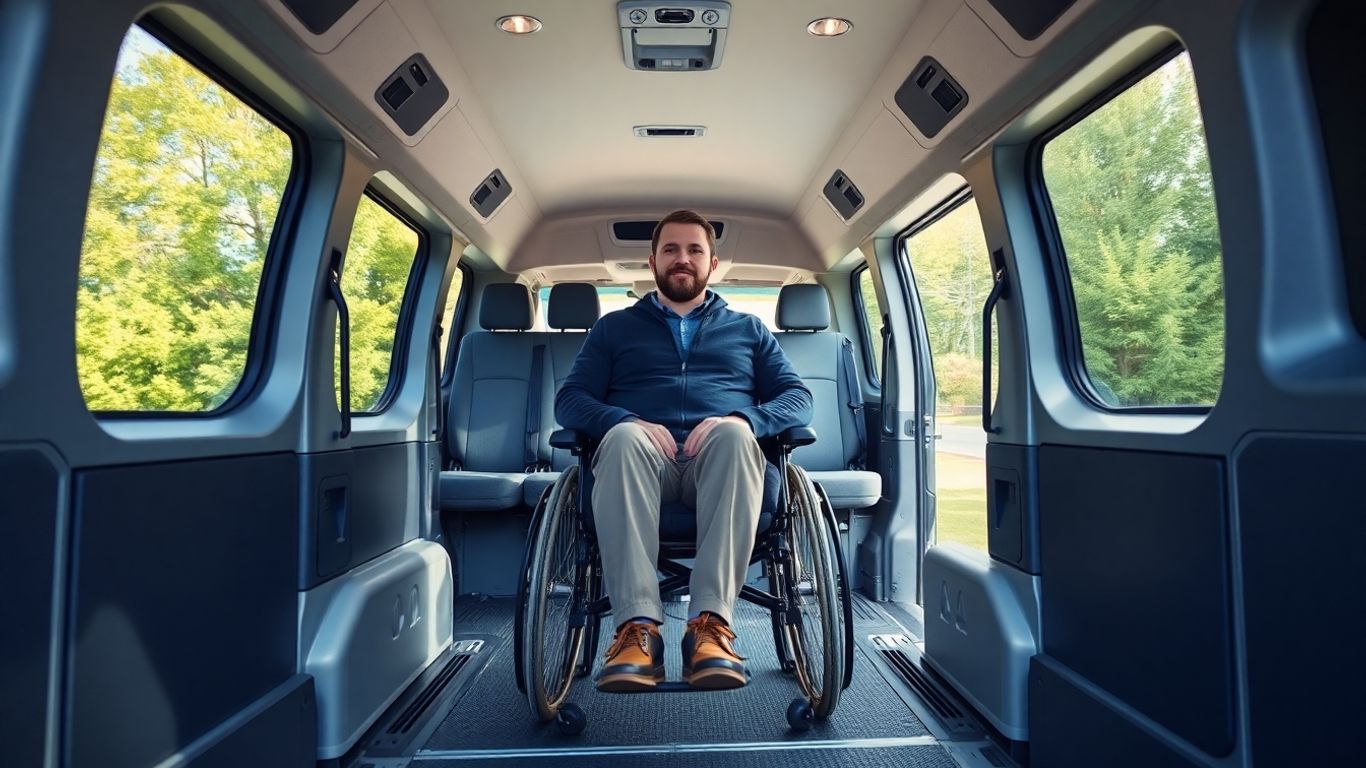
Getting comfortable in a wheelchair van isn’t just about the overall size of the vehicle. It's the details—like door dimensions, seating options, and ramps—that really shape your experience, especially if you're taller than average. Let's get into the features that can make a real difference if you’re a tall passenger.
Importance of Door Opening Height and Width
Doorways can make or break ease of access:
- Door opening height should always allow for an upright entry. Tall users shouldn’t have to hunch or duck as they come and go.
- Door width is just as important—wheelchairs and added supports mean you need a bit more space.
- Keep in mind: Not every van or conversion style offers the same doorway clearance. Options like the Chrysler Pacifica Side Entry Vans offer wide doorways and thoughtful design for tall passengers.
Here’s a quick look at what to measure when checking door size:
| Element | Standard Range | Extra-Tall Van Range |
|---|---|---|
| Door Height | 52"–56" | 56"–60" |
| Door Width | 31"–34" | 33"–36" |
If you’ve ever felt squeezed through a doorway or worried about head clearance, upgrade your search to those vans with the tallest door heights you can find. It saves a lot of trouble and keeps things safe.
Selecting Adjustable and Extended Components
Having the option to tweak or extend seat and foot components is a big deal for tall users. Look for:
- Adjustable seat heights, especially those between 19.5" to 23.5" for a more custom fit.
- Extended footrests, allowing for longer knee-to-heel length and much better support over long drives.
- Variety in seat depths and back heights—these keep your back, neck, and legs where they should be and limit discomfort.
A little flexibility goes a long way for everyday comfort. Don’t be shy about asking for seat or footrest extensions or demoing different setups.
Choosing Proper Ramp or Lift Types
Ramps aren’t one-size-fits-all, and the ramp style you choose can seriously change your daily routine:
- In-floor ramps keep the entryway clear and are easy for ambulatory riders, though they usually need more skill to operate.
- Fold-out ramps have side rails to help users navigate, and they’re easier to manage in emergencies.
- Think about ramp width—a wider ramp offers more wiggle room which is important for wider wheelchairs or those with armrests/extensions.
Making the right ramp choice is all about matching your ability and daily needs. Investing the time in finding the best fit upfront makes every ride far more relaxing and practical in the long run.
Customization Options for Accommodating Tall Wheelchair Users
When it comes to wheelchair vans, one size definitely doesn’t fit all— especially for tall users. Customizing your van’s interior and seating setup can make a huge difference in daily comfort, support, and mobility. There are several smart ways to tweak your ride to suit longer legs and taller torsos, making trips much less of a hassle.
Extended Footrests and Enhanced Headrests
A common complaint from taller folks is having their knees crammed or heads bumping against the ceiling. Extended footrests are a practical fix, lengthening the space between the seat and footplate to accommodate those extra inches of leg. Look for footrests that are not only longer but also adjustable, so you can change their height as needed over time. As for headrests, those with extra height and support can make longer trips more comfortable and keep proper alignment for taller users.
Key benefits of extended and enhanced components:
- Reduces pressure on knees and ankles
- Improves overall seating posture and support
- Adapts as needs change or if you switch wheelchair models
Adjustable Seat Height and Depth
Not every wheelchair seat is built for those 6 feet or taller. Seat height and depth play a huge role in how comfortably a person fits—particularly when transferring in and out of the vehicle. With adjustable features, you can raise the seat for easier transfers, or pull the seat back for more legroom. Some models let you tweak depth and height independently for a tailored fit, which also means you’re less likely to bottom out or end up sitting awkwardly.
Check out this quick reference table:
| Feature | Standard Range | Tall User Upgrade |
|---|---|---|
| Seat Height | 17"–22" | 19.5"–23.5" |
| Seat Depth | 15.5"–20" | 17"–22" |
| Back Height | 22"–33.5" | Up to 35" |
Custom Padding and Accessories
Even small upgrades go a long way. Extra padding can provide better support for longer backs and legs. Accessories like longer arm supports or shaped cushions can keep you from constantly shifting in search of a comfortable spot. If your van has a specific conversion style—like a side-entry system—make sure accessories are compatible with your ramp and interior layout.
Here are some accessory ideas to look for:
- Customizable padding packages
- Lateral shoulder bolsters
- Extended arm and leg supports
- Specialized head and neck pillows
If you find that off-the-shelf options never quite fit, working directly with a supplier to custom-measure and order your components can really cut down on daily discomfort.
Bottom line: For tall wheelchair users, a few key customizations can turn a cramped, uncomfortable trip into a much more manageable one. Don’t settle for “close enough”—adjustments truly make the difference.
Wheelchair vans can be made to fit tall wheelchair users by adding extra space inside or adjusting seat heights. This makes riding comfortable and safe for everyone. Want to learn more about these easy ways to customize your van? Visit our website today to see your options!
Wrapping It Up: Finding the Right Fit for Tall Wheelchair Users
So, after looking at all the details, it’s clear that not all wheelchair vans are the same—especially if you’re tall or have a tall family member using a wheelchair. The height inside the van, the ramp style, and even the way you get in and out can make a big difference in comfort. If you’re over six feet tall, you’ll want to pay close attention to the interior height and door opening measurements. Sometimes, a standard minivan just won’t cut it, and you might need to look at full-size vans or special conversions with extra headroom. It’s always a good idea to measure yourself while seated in your chair and compare that to the specs of any van you’re considering. Don’t be shy about asking questions or even trying out different vans before making a decision. At the end of the day, the right van should let you ride comfortably, see out the windows, and not worry about bumping your head every time you get in. Take your time, do your homework, and you’ll find something that works for you.
Frequently Asked Questions
What is the average interior height of a wheelchair van?
Most wheelchair vans have an interior height between 56 and 61 inches. Extra tall models can give even more headroom, sometimes up to 63 inches. The exact height depends on the van make, model, and conversion type.
How do I know if a tall person will fit comfortably in a wheelchair van?
To check if a tall person will fit, measure their height while sitting in their wheelchair, including headrests or cushions. Compare this number to the van’s listed interior height. Make sure there’s a few extra inches of space above their head for comfort and safety.
Are there vans made for extra tall wheelchair users?
Yes, some companies offer extra tall conversions with lowered floors and higher roofs. These vans are made to give more headroom and make it easier for tall users to enter, exit, and ride comfortably.
What features should I look for to help tall wheelchair users?
Look for vans with wide door openings, tall door heights, and ramps that are long and not too steep. Adjustable or extended seat and footrest options, higher backrests, and custom headrests can also help tall users feel more comfortable.
Is there a difference between side-entry and rear-entry vans for tall users?
Side-entry vans often have more headroom because of deeper floor lowering, but it depends on the van. Rear-entry vans can also work well, especially extra tall models. Always check the specs for both types to see which one gives more space.
Can I customize a wheelchair van for more headroom?
Yes, many companies can customize vans with lower floors, higher roofs, or special seating. You can also add features like extended footrests, custom padding, and adjustable seats to make the van fit your needs better.